
30 YEARS OF SOLARIS
From the first low-floor buses in Poland to a global manufacturer of zero-emission vehicles
Solaris turns 30! Thank you for being part of this story!
BOLECHOWO, MARCH 2026
After 30 years of operation, Solaris is among the most important manufacturers of city buses in Europe. The journey to this position began in the mid-1990s, a time of intense economic transformation and modernization of public transport in Central and Eastern Europe. It was in this context that Solaris was founded by Krzysztof Olszewski.
On March 22, 1996, the first low-floor city bus rolled out of the factory in Bolechowo – still under the Neoplan brand at the time. The vehicle set a new standard for accessibility in public transport in Poland.

Solange and Krzysztof Olszewski 
First deliveries in 1996 
A newspaper clipping from 1996


THE BIRTH OF A BRAND AND PROPRIETARY TECHNOLOGY
A breakthrough moment came in 1999 with the premiere of the Urbino model – the first city bus designed under the Solaris brand. This marked the beginning of the company building its technological and product identity.
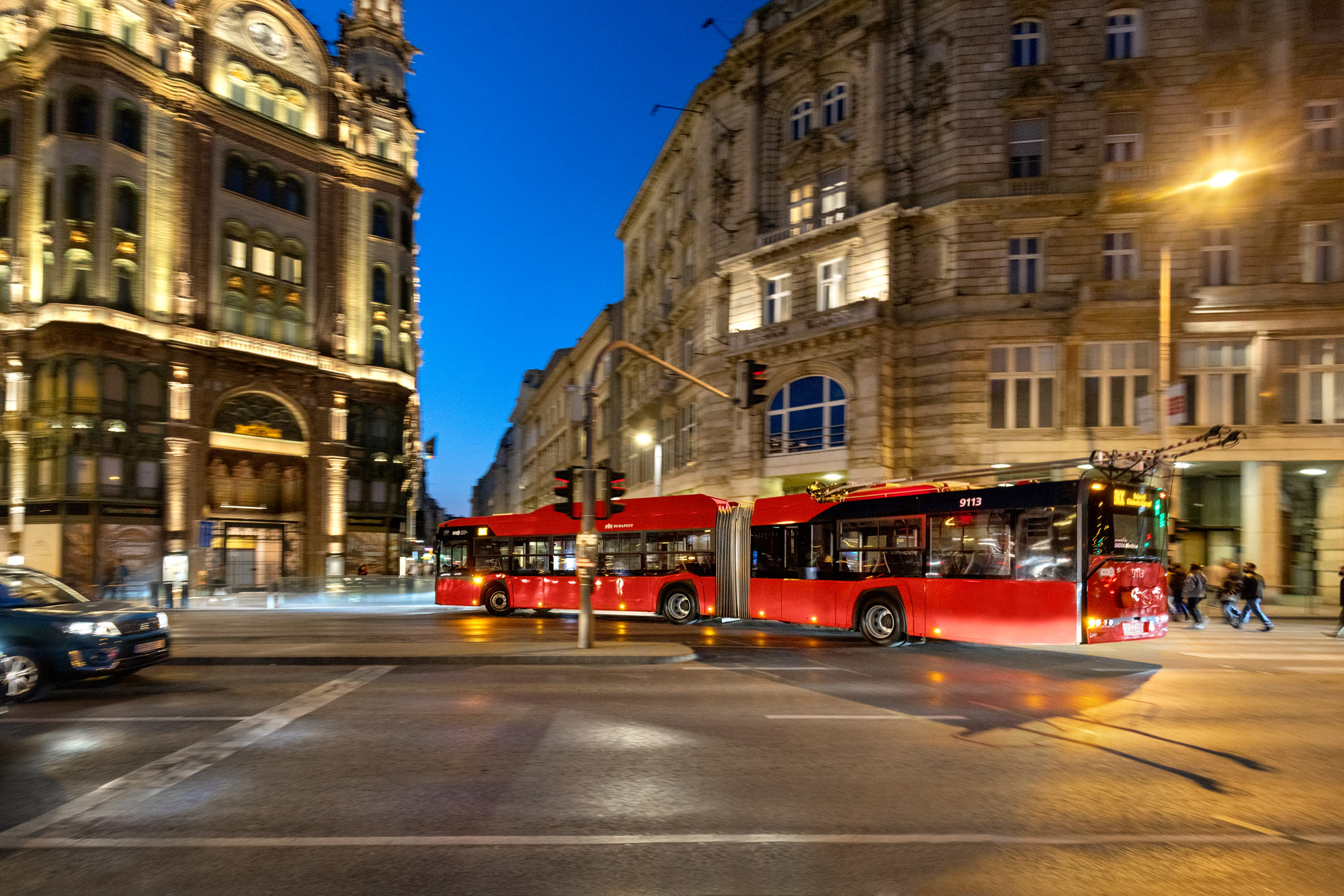
Just two years later, the Trollino trolleybus joined the portfolio, using electric energy from overhead lines. This was Solaris’s first step toward zero-emission mobility.

INTERNATIONAL EXPANSION, POWERTRAIN INNOVATIONS
The company’s dynamic growth led Solaris to begin intensive international expansion already in the early 2000s. By 2003, the manufacturer had delivered 1,400 buses to operators in 11 countries. In the following years, the map of Europe continued to fill in, with delivery volumes growing by thousands more vehicles.


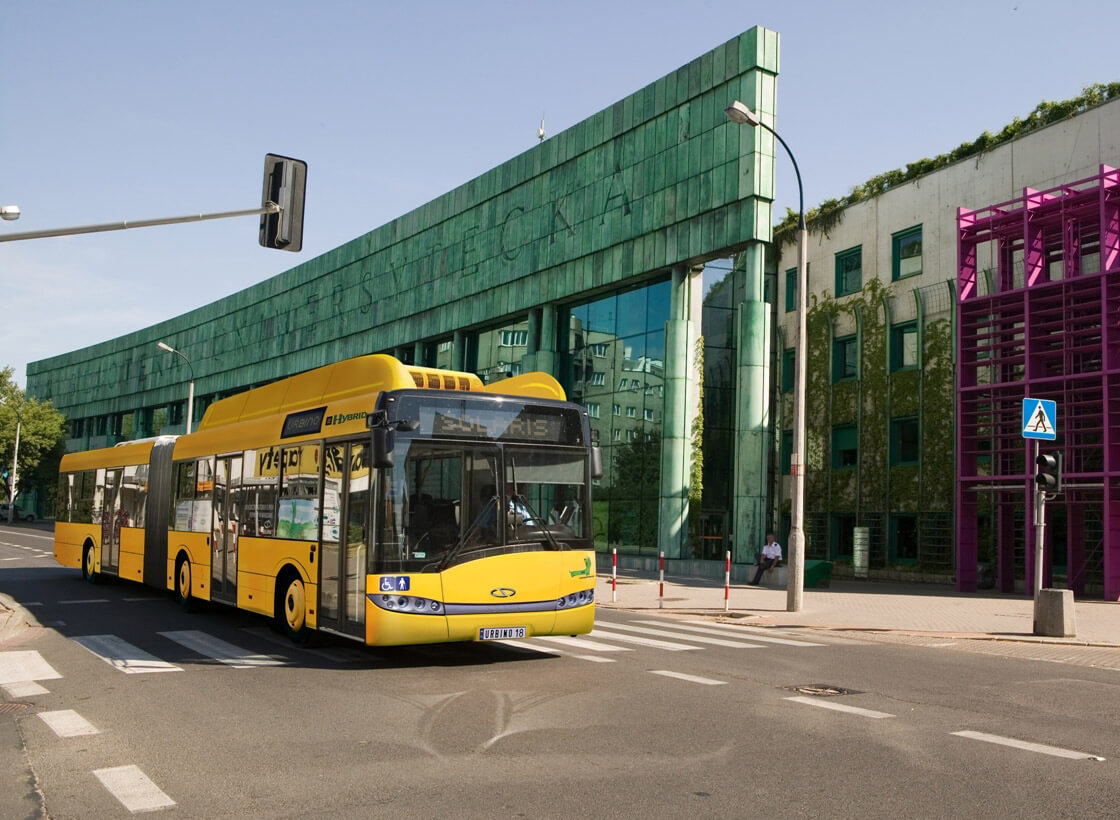
At the same time, the company developed new propulsion technologies – including CNG-powered buses and the world’s first mass-produced hybrid buses. The next step was a natural one – e-mobility.
SHIFT TOWARD ZERO EMISSIONS
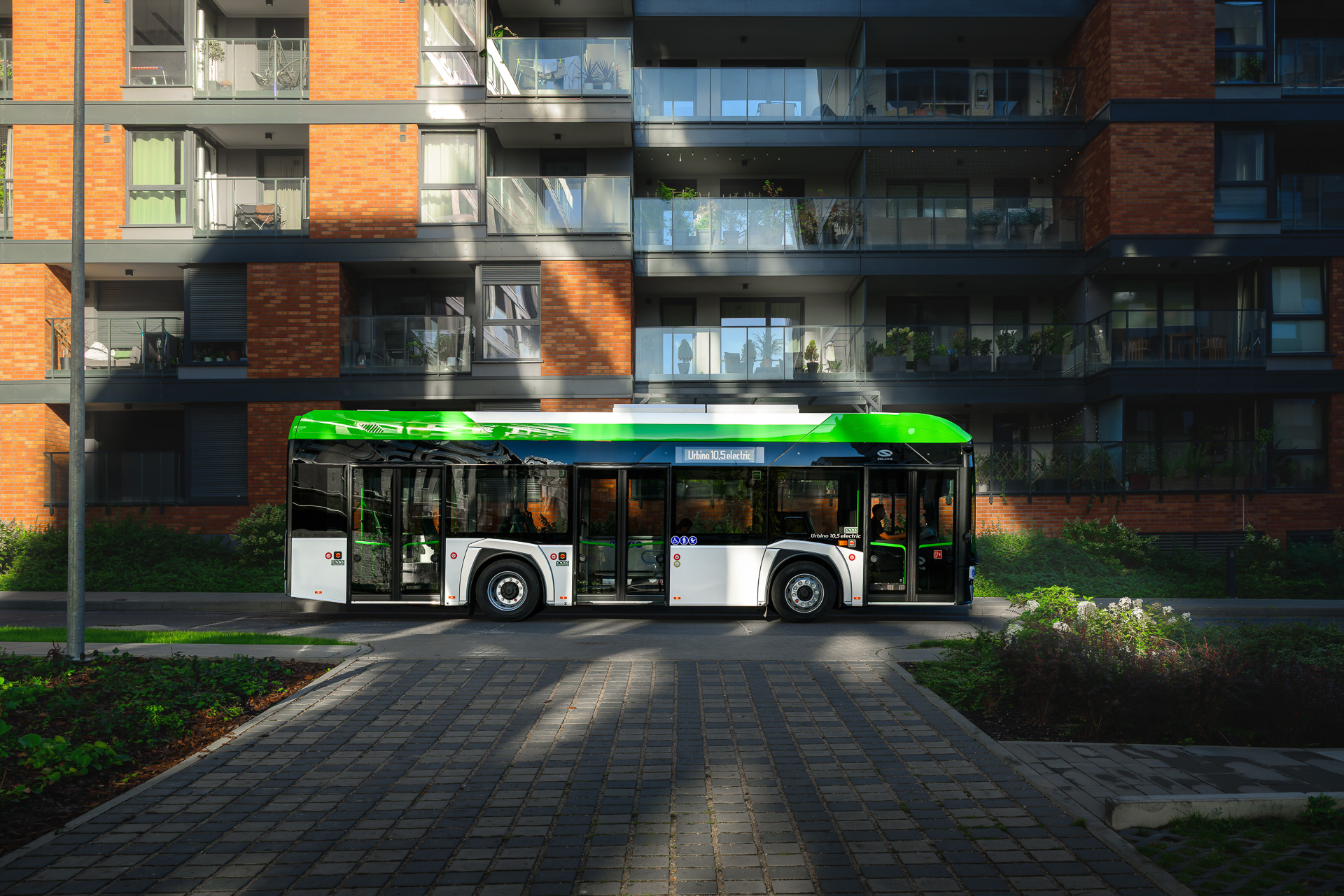
The year 2011 opened a new chapter in the company’s history. Solaris presented the Urbino electric model – the brand’s first fully electric city bus. This was a defining moment that permanently set the manufacturer’s development direction. Since then, the company has delivered the highest number of hydrogen and electric buses in Europe – every seventh zero-emission vehicle in Europe is a Solaris.
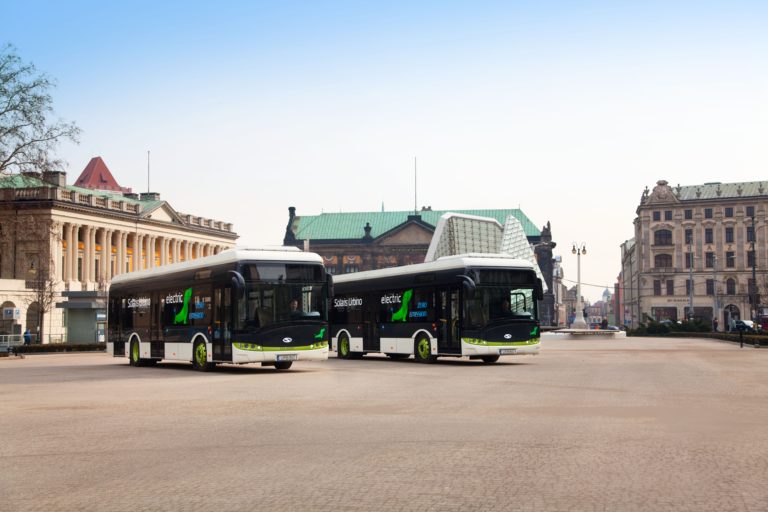
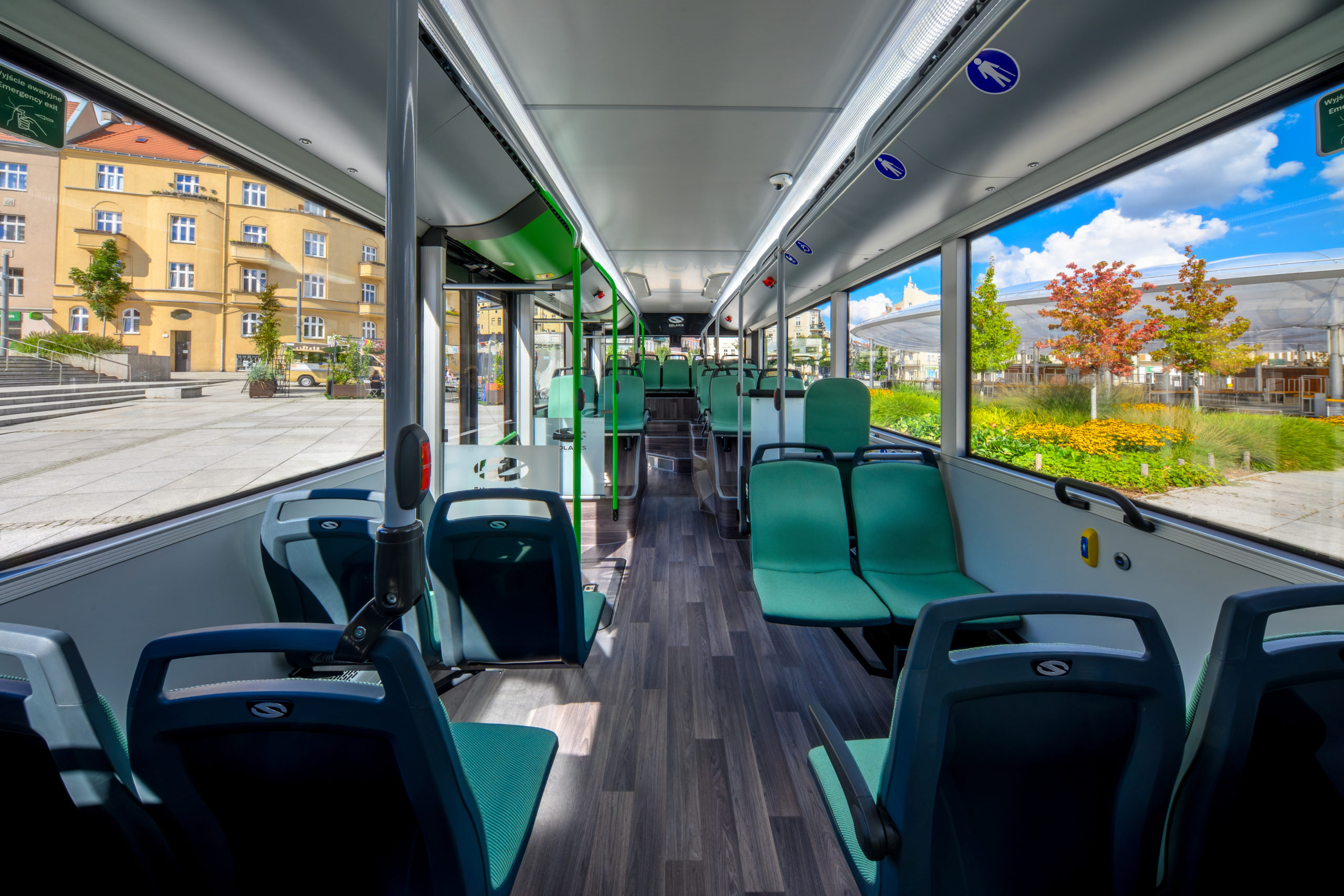
A new generation of Urbino debuted in 2014, bringing a new body design and award-winning styling. In this version of the portfolio, the manufacturer introduced models of various lengths and drivetrains.

Solaris Urbino - new generation 


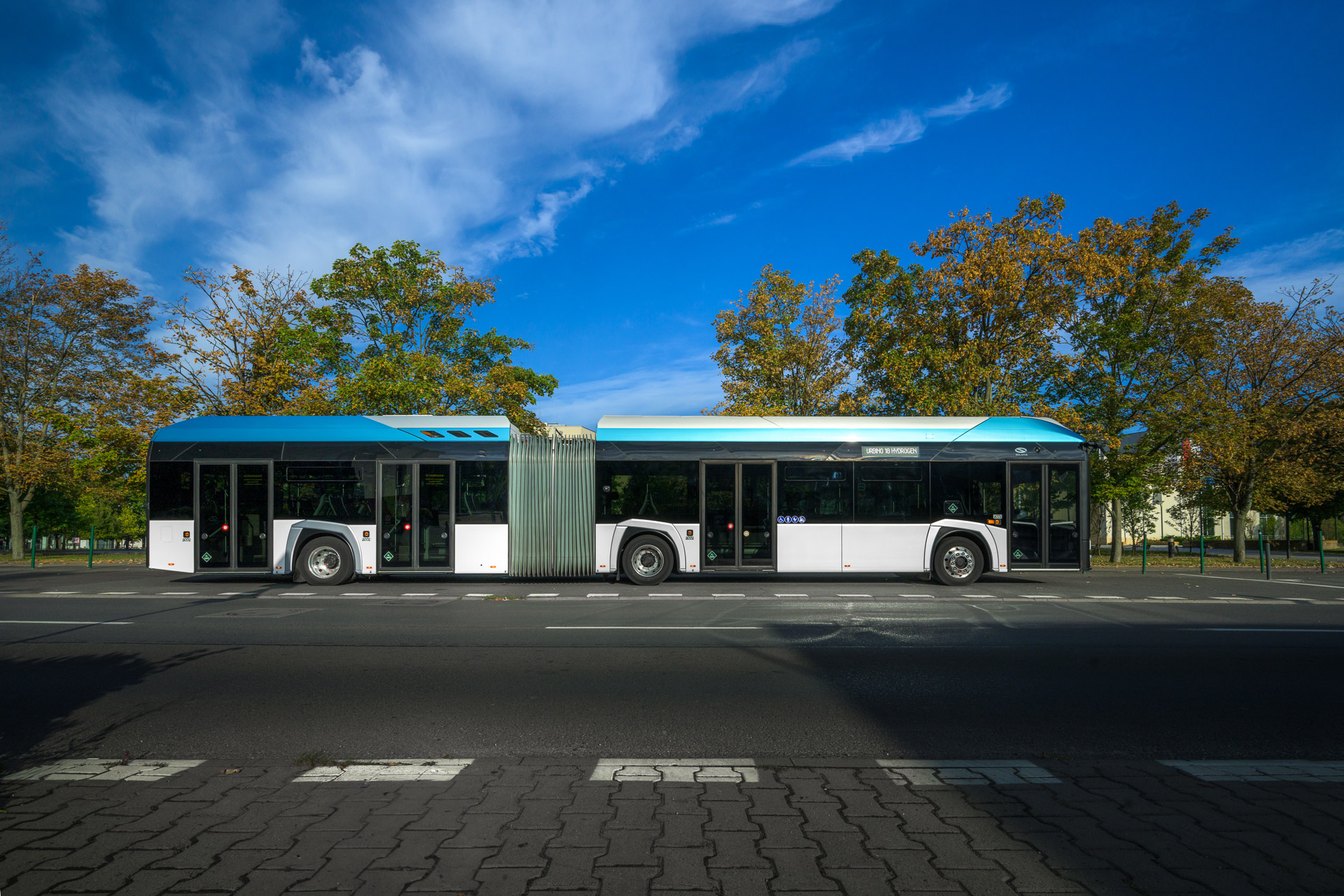
At the same time, zero-emission technologies continued to develop: a hydrogen fuel cell was added to the offer as a range extender, the Urbino electric won the “Bus of the Year 2017” title, and in 2019 the portfolio was expanded with a hydrogen bus in which electric energy is generated directly on board the vehicle, producing water instead of exhaust emissions.
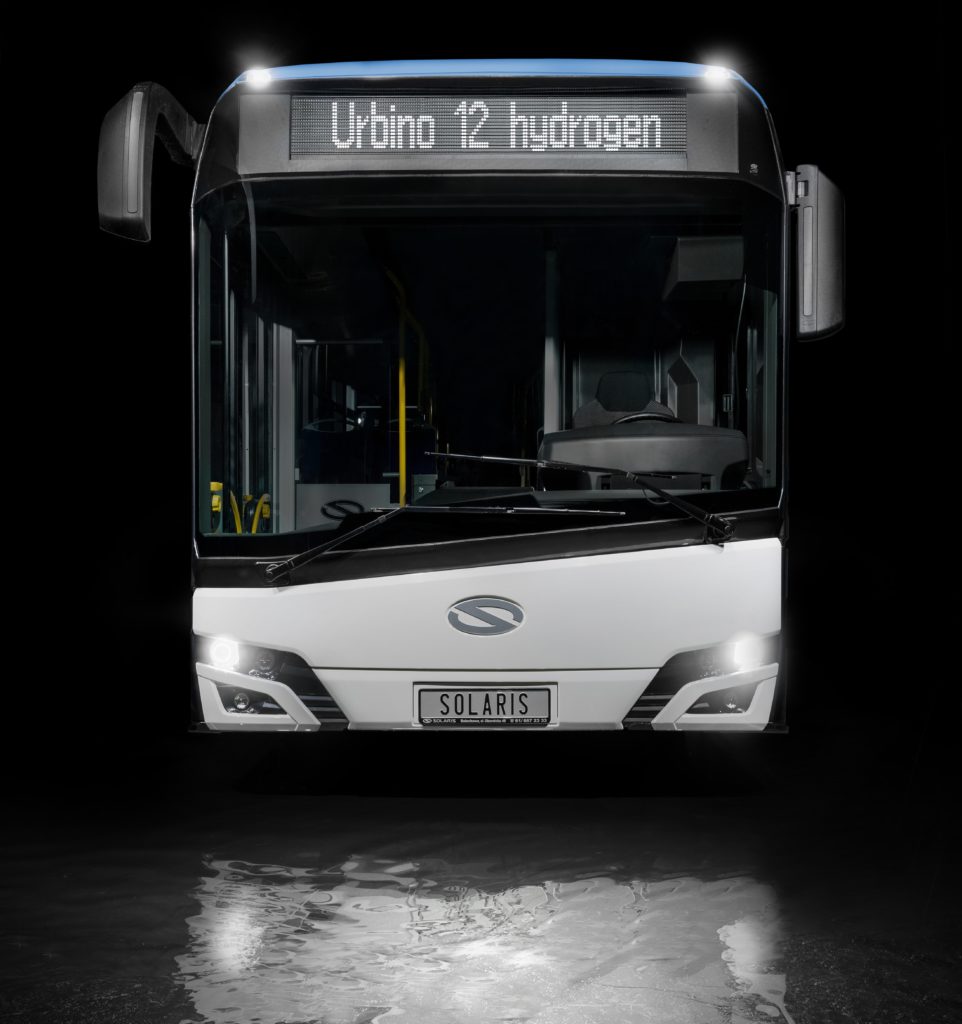
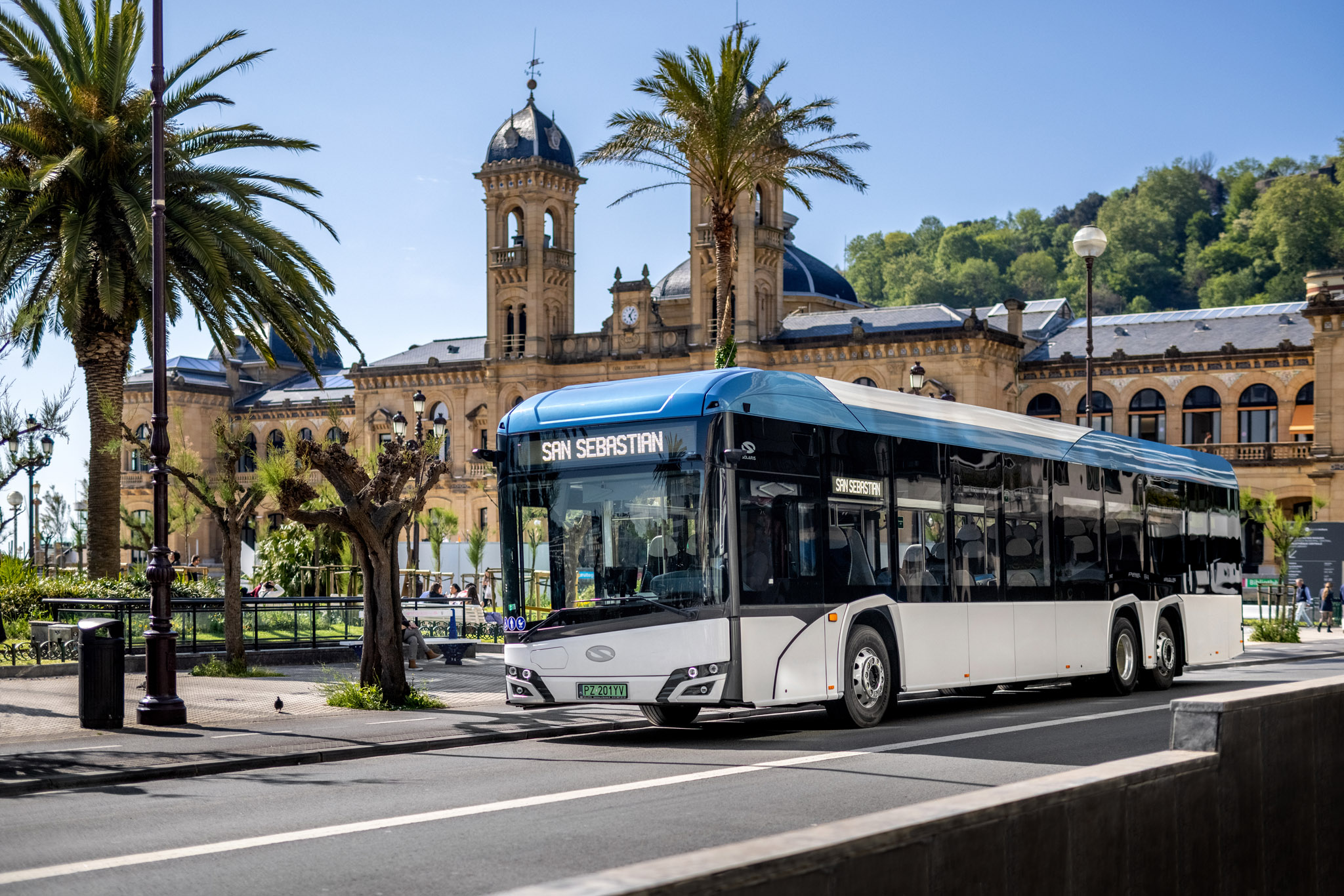
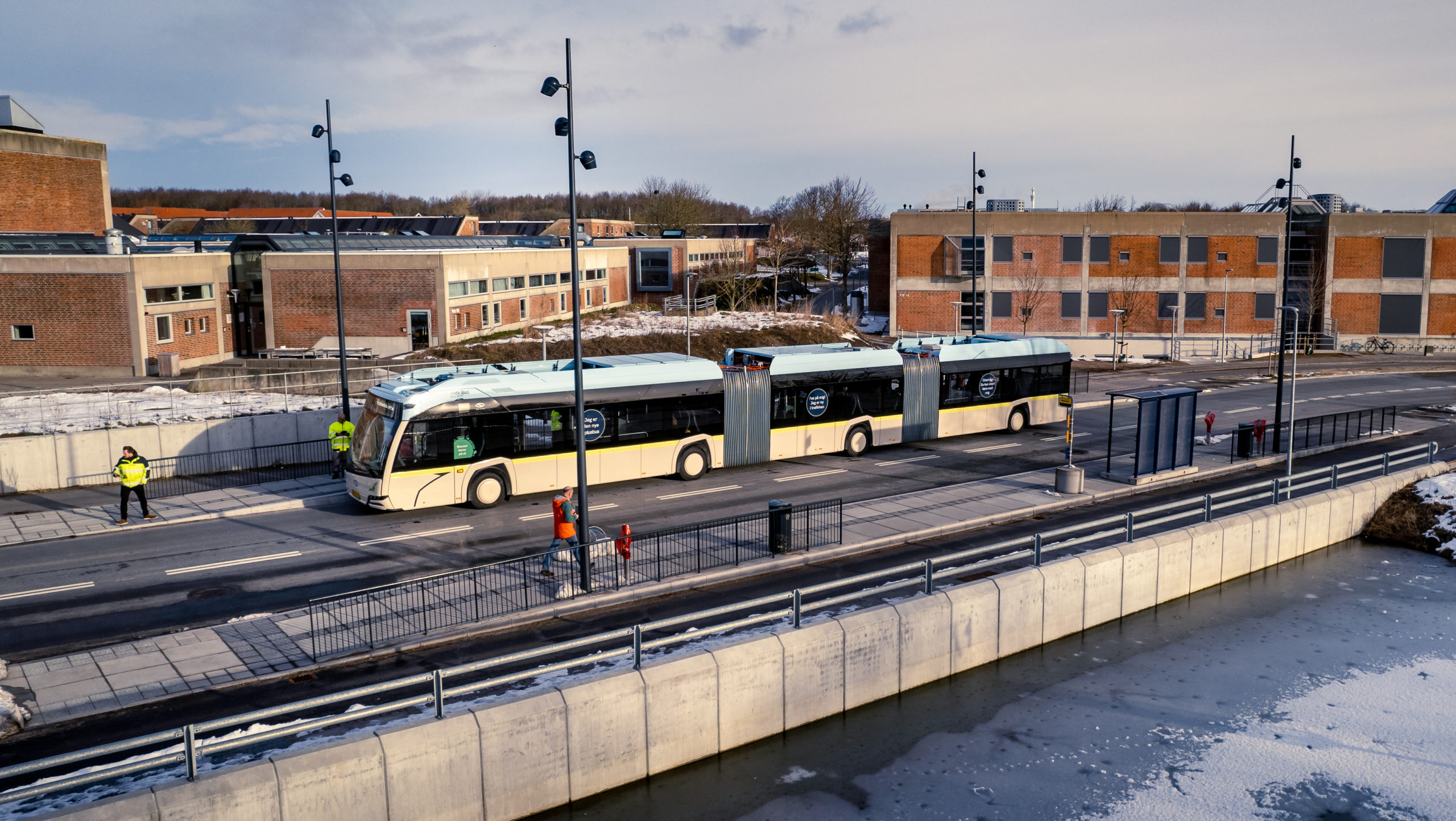
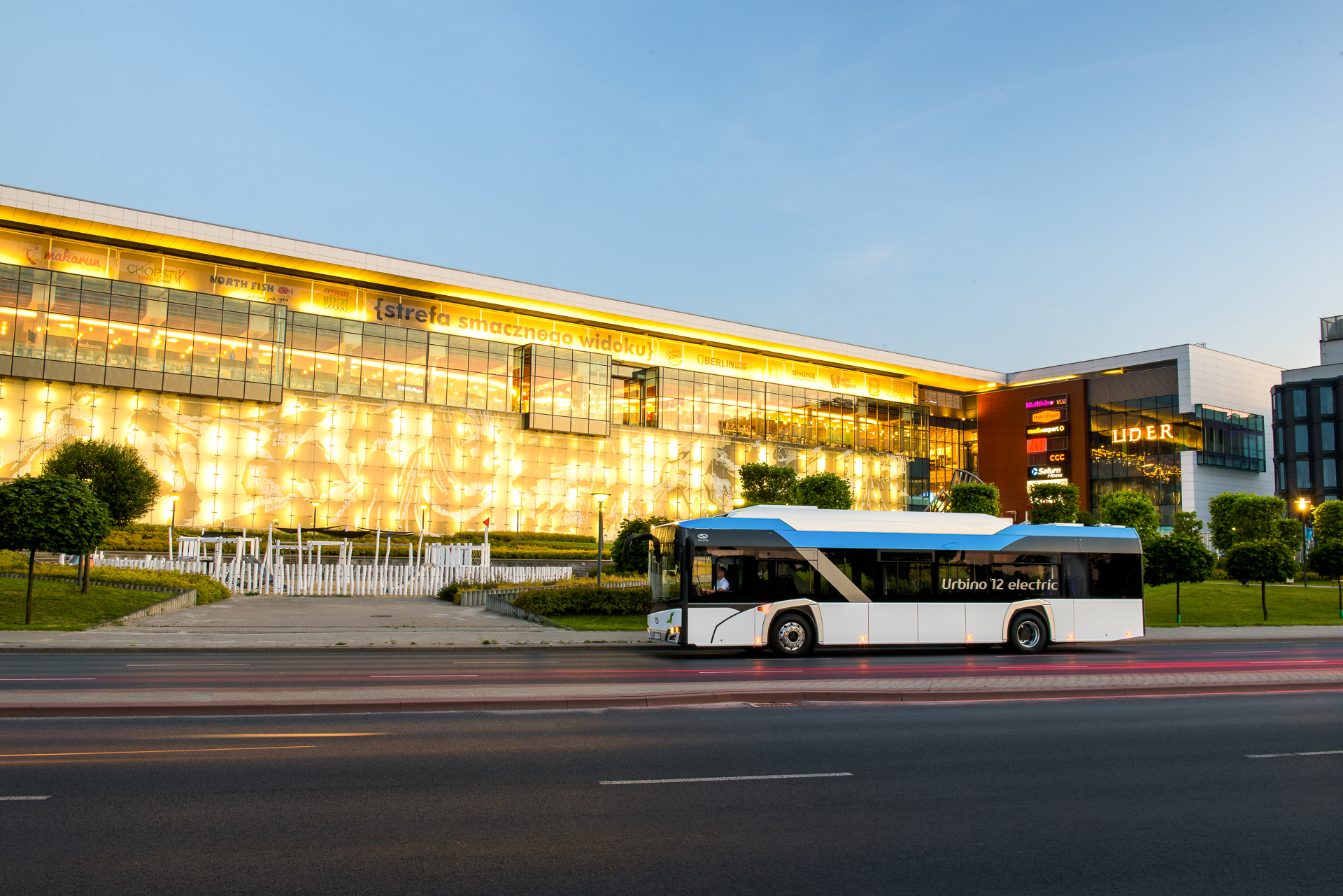
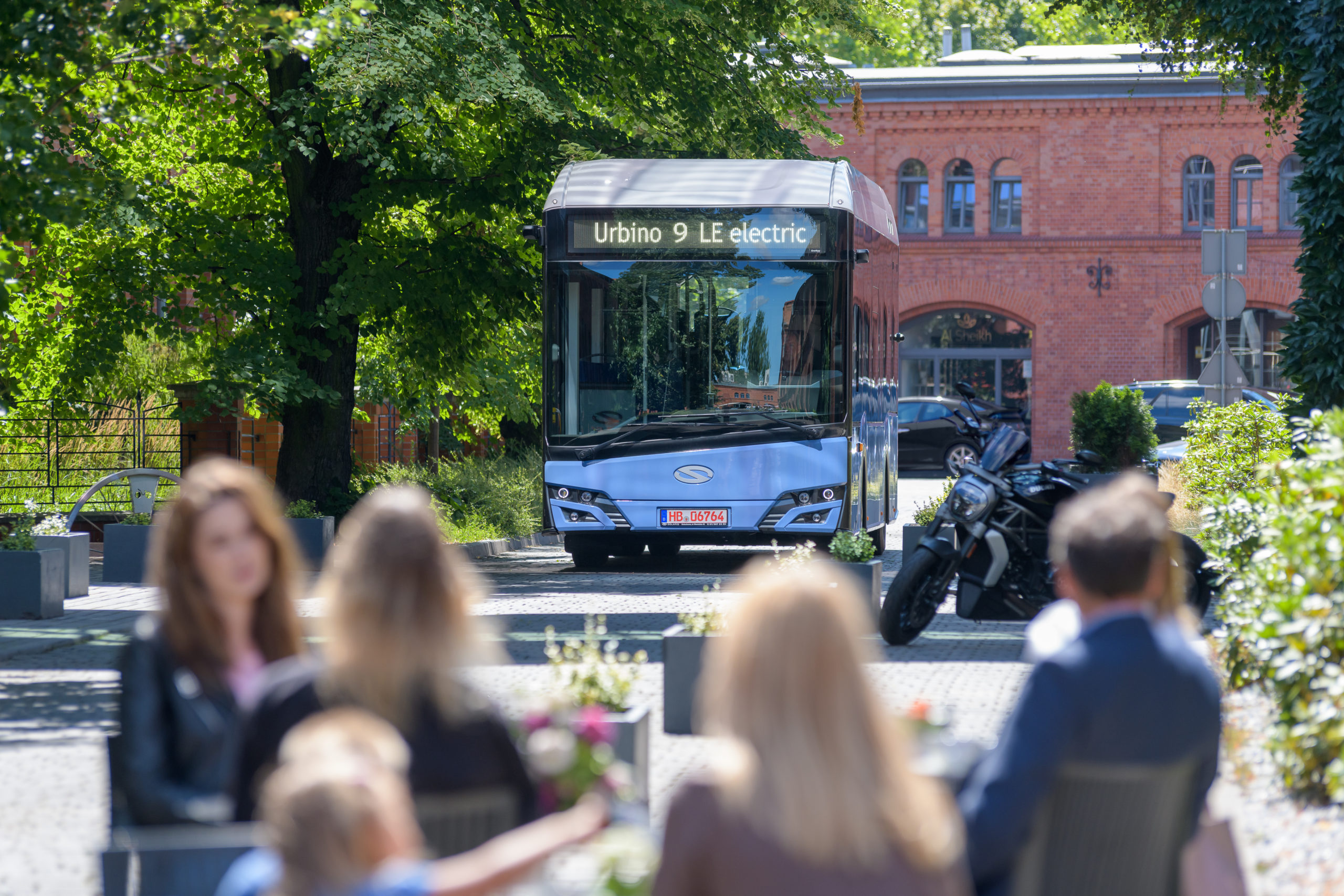
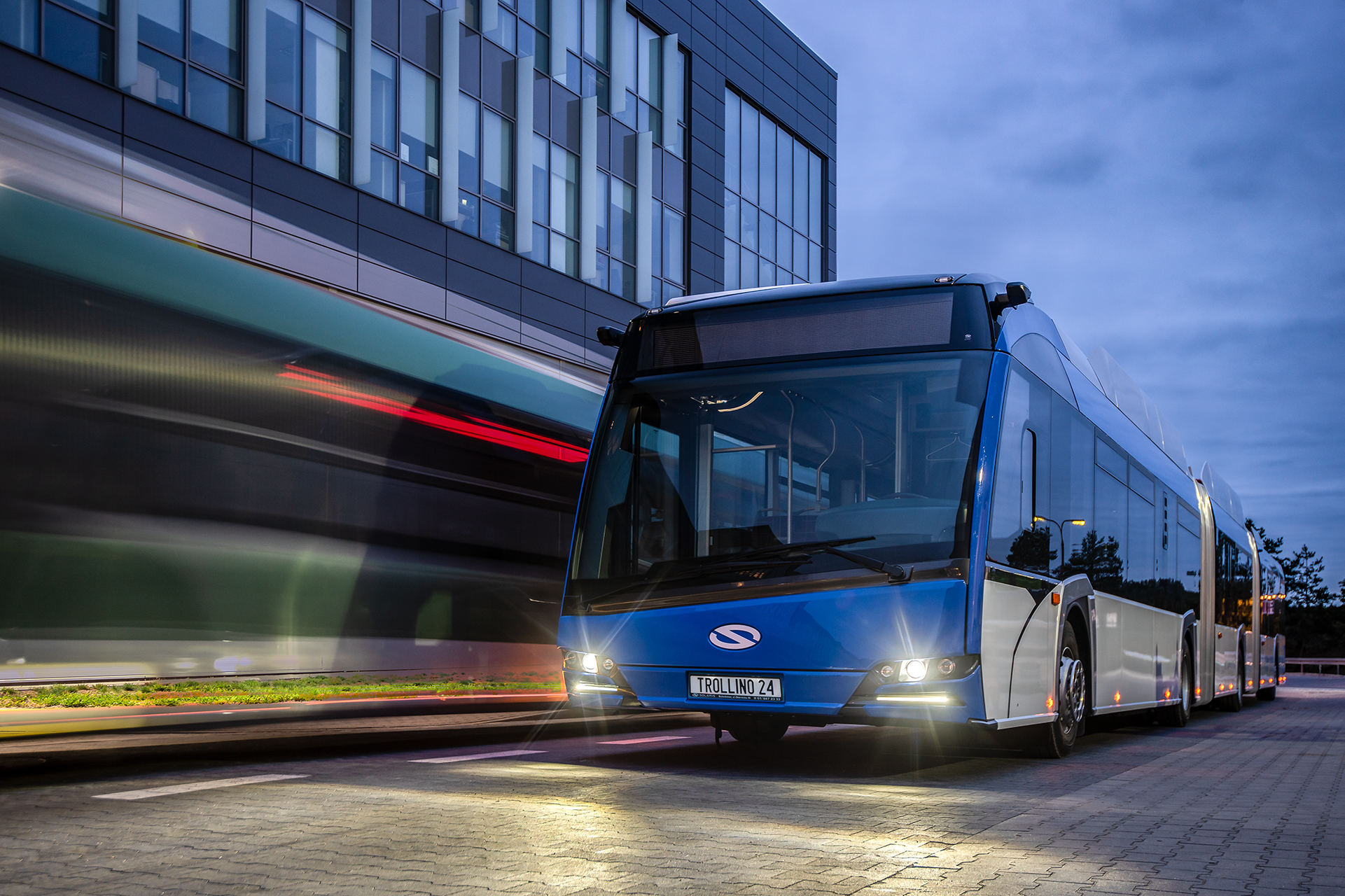
In the following years, the portfolio expanded further with additional battery and hydrogen models – the intercity Urbino 15 LE electric, the compact midibus Urbino 9 LE electric, as well as a bi-articulated model measuring up to 24 meters in length. The articulated hydrogen bus was named Bus of the Year in 2025.
A NEW STAGE OF DEVELOPMENT: SCALE AND GLOBAL AMBITIONS
In 2018, Solaris joined the CAF Group, enabling dynamic expansion into global markets. Alongside technological development, the company has expanded its production and logistics infrastructure.

The logistics center in Jasin, the innovative Charging Park, a new warehouse hall, and a modernized factory enable the company to meet growing orders across Europe and prepare for global expansion.
Today, Solaris is also preparing to enter the intercity bus segment with its zero-emission offering, while expanding its presence in North American markets.


30 YEARS POWERED BY INNOVATION
Over 30 years, Solaris has delivered 28,000 buses and trolleybuses to nearly 900 cities in 33 countries across Europe and beyond. Nearly 7,000 of these vehicles produce no exhaust emissions. Electric buses, hydrogen buses, and trolleybuses of various lengths and configurations introduced into European cities are genuinely transforming urban spaces – reducing emissions and noise while improving residents’ quality of life.

After three decades of operations, the development direction remains unchanged – to create modern, zero-emission buses for cities around the world. The company continues to advance electric and hydrogen technologies, invest in its own battery solutions, and gradually expand its offering into new market segments.
Over the last three decades Solaris has evolved into a market leader, shaping modern public transport across Europe. We stand on solid, future-proof foundations – ready to scale, innovate, and continue the transformation of the mobility in the cities. As we begin our fourth decade, we do so with the same determination and with even more ambitious plans for the future.
Agata Stańda, CEO Solaris

Although technology is now a key element of competitive advantage, Solaris emphasizes that its greatest strength remains its people. Their expertise, commitment, and values have built the company over 30 years into one that today co-shapes the direction of urban mobility development in Europe.
Latest articles
 Solaris develops its aftersales services around three pillars: an efficient and responsive service network, spare parts logistics, and digital tools.
 When the first low-floor bus rolled out of Bolechowo in 1996, few could have imagined that three decades later the…
 One of the hottest Sundays of the year became a special occasion to bring together our employees, their families and…


